What is XR? [In practice]
AR, VR, MR: one umbrella term and a lot of confusion. A concrete tour of the immersive technologies, what each one really allows, and when to choose it.
- XR
- Explainer
- VR
- AR
Hello to everyone curious about the world of XR! 👋
You hear about XR everywhere, but between us… what exactly is it? AR, VR, MR…
Today I am going to explain it all clearly, because understanding these differences is the groundwork for building immersive experiences that hold together and match what your users actually need.
🎯 XR: the term that gathers everything
XR stands for “eXtended Reality”, and it is a bit like the word “design” — it covers a lot of ground! It is the umbrella term for every immersive technology where the real world meets the digital one.
In short: XR = AR + VR + MR + whatever comes out tomorrow!
Each technology has its own personality and its own quirks. Let’s take them apart together…
📱 Augmented Reality (AR): the real world, “improved”.
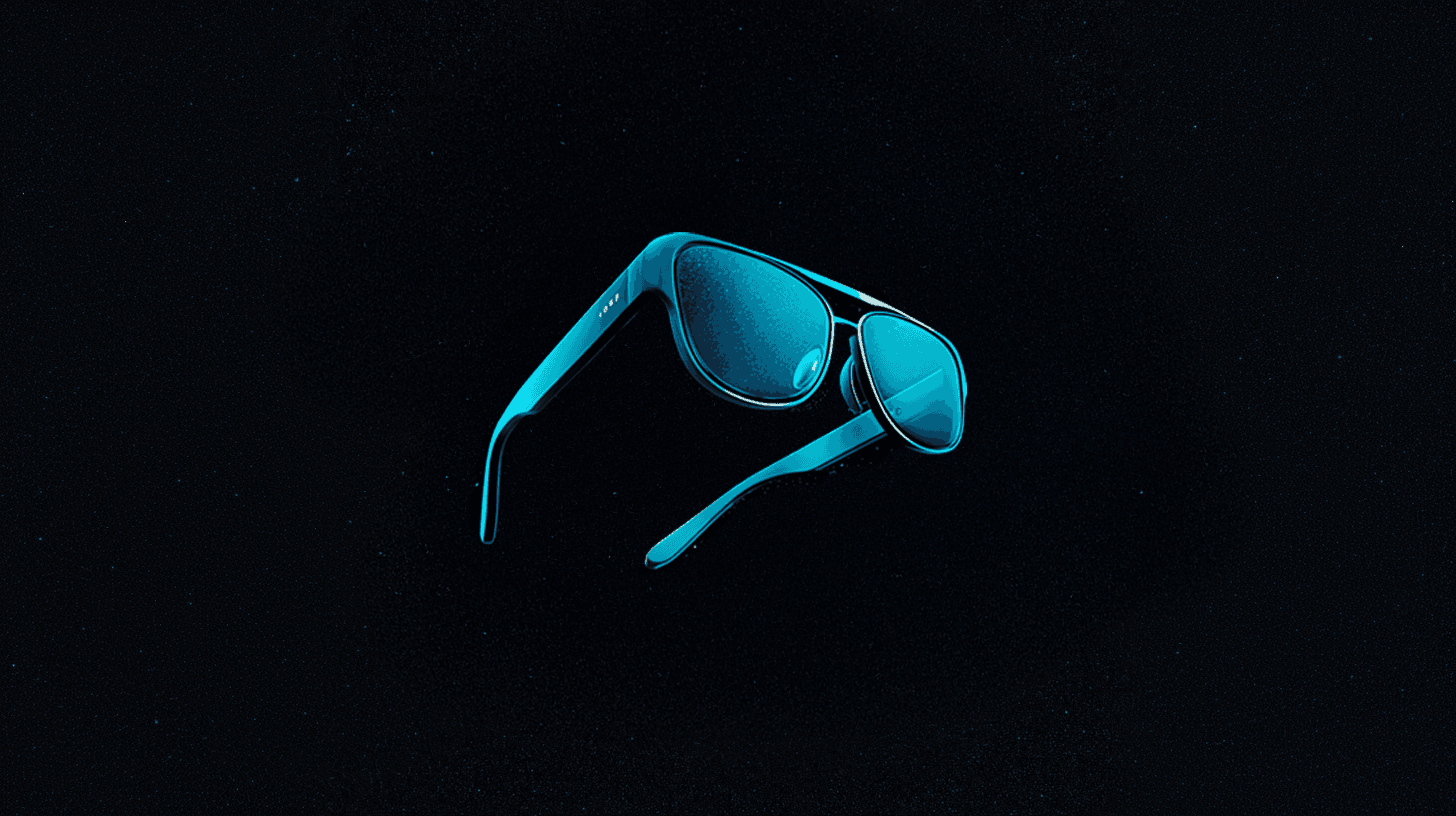
AR is your everyday world with digital layers on top. Your feet stay on the ground, but a meta layer is added over our reality. The real world stays central, simply enriched with layers of digital information. Interaction is usually basic to moderate, depending on the application.
In practice: you point your phone, your AR glasses or your tablet at yourself or ahead of you, and information, 3D objects or animations appear.
Examples
- Those Snapchat or Instagram filters that give you dog ears (I know you have tried them, don’t deny it!)
- Pokémon Go, which turned parks into hunting grounds
- IKEA Place, to see whether that wardrobe will fit… or not
My take: AR is perfect for enriching what already exists without upending people’s habits. Ideal for your first steps in XR!
🔮 Mixed Reality (MR): when the virtual and the real work together
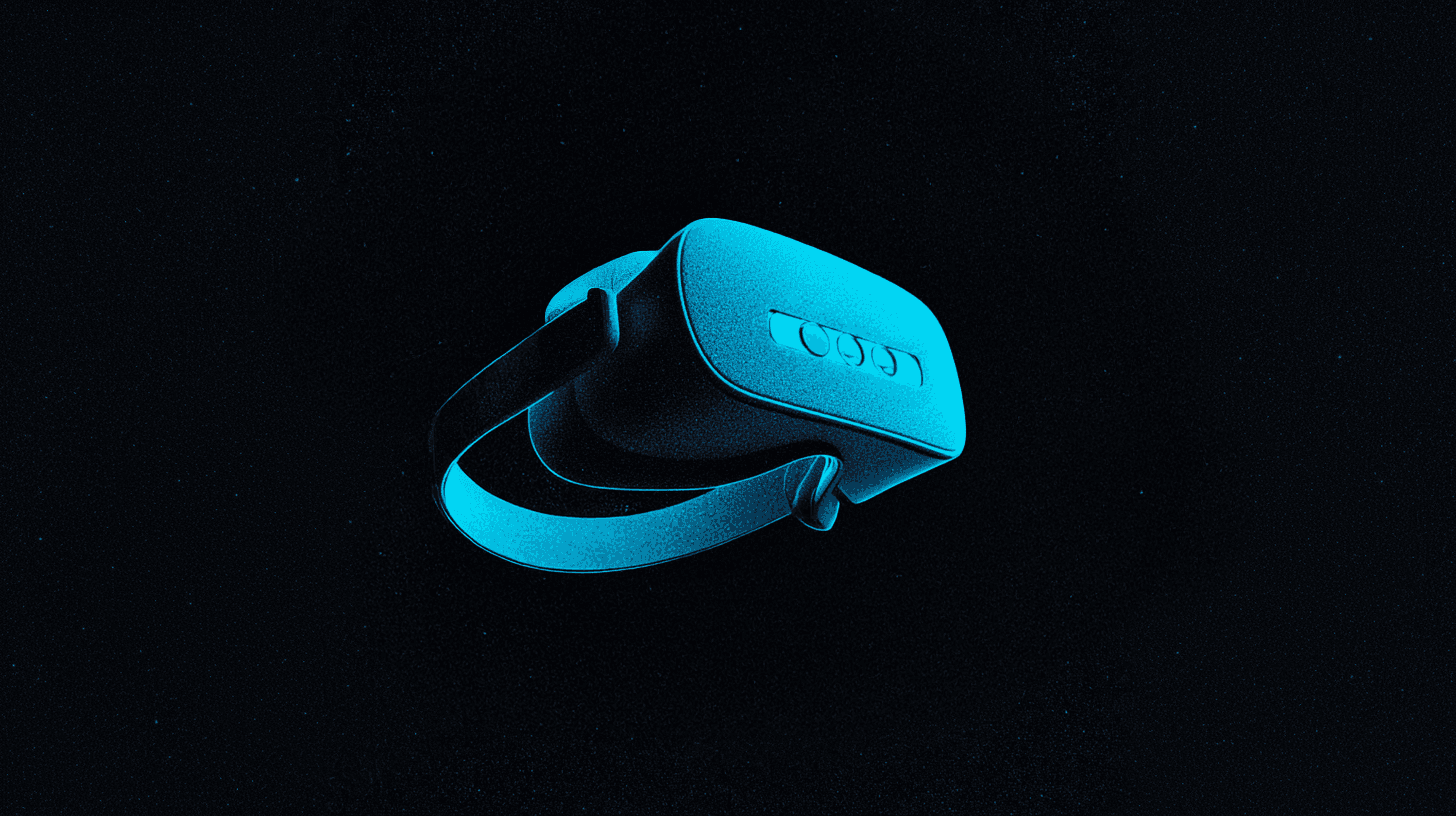
MR does not simply stick digital content onto the real world — it makes the two worlds interact. Digital elements are not just laid over the environment, they are embedded in it and able to respond to it in real time.
The difference with AR: your virtual objects “understand” your real environment and adapt to it.
Examples
- Apple Vision Pro, where you handle holograms that respect the lighting of your room (that one really is something…)
- Industrial applications where a technician sees information anchored onto the actual machines
- Remote collaboration, where your colleague appears as a hologram in your office
Why it is remarkable: you can physically handle concepts and ideas that until now existed only in our heads, or flat on a screen.
🥽 Virtual Reality (VR): destination, another world!
Headset on, and there you are, teleported into a universe built entirely for you. This is total immersion in another simulated world. A “complete” disconnection from physical reality, and a sense of presence somewhere else. Interaction happens only with virtual elements, which makes the immersion very strong.
The promise: you are elsewhere, completely. Your brain believes it!
Examples
- Beat Saber: you are a jedi of rhythm, lightsabers included!
- Museum visits from your sofa
- Training simulations where you fly a plane without risking the crash
My advice: VR is magic for immersive learning and for strong emotional experiences!
🚀 Why this deserves your attention
XR is no longer the future, it is the present! And as designers, we have a golden opportunity to shape these new experiences.
What it changes for us:
- AR puts immersive technology within everyone’s reach (everybody has a smartphone!)
- VR opens up endless creative possibilities
- MR transforms collaboration and productivity
What I believe: each technology has its place in a designer’s toolbox. The craft is choosing the right one for the right use!
🎯 Ready for your XR adventure?
Now that the basics are yours, you are ready to build your first immersive experiences!
My next pieces will guide you step by step:
- 5 fundamental principles for starting well in XR
- My favourite tools for prototyping quickly
- The keywords of XR: your guide to starting out with confidence
So, tell me…
- Which XR technology intrigues you the most?
- Have you already tried an AR/VR/MR experience that stayed with you?
- Any questions about the differences between these technologies?
Tell me everything in the comments!
Sources
- Meta for Work – The difference between VR, AR and MR
- Immersion.fr – Virtual, mixed and augmented reality: what is the difference
- 3DS Blog – Understanding the differences between augmented, virtual and mixed reality
- Prodware – Augmented, virtual and mixed reality
- Pimax – What is the difference between VR, AR, MR and XR?