XR ethics through pop culture: when fiction prepares us for tomorrow’s questions
The Matrix, Black Mirror: fiction asks the ethical questions of immersion before we do. Autonomy, consent, and what that means for design.
- XR
- Ethics
- Pop culture
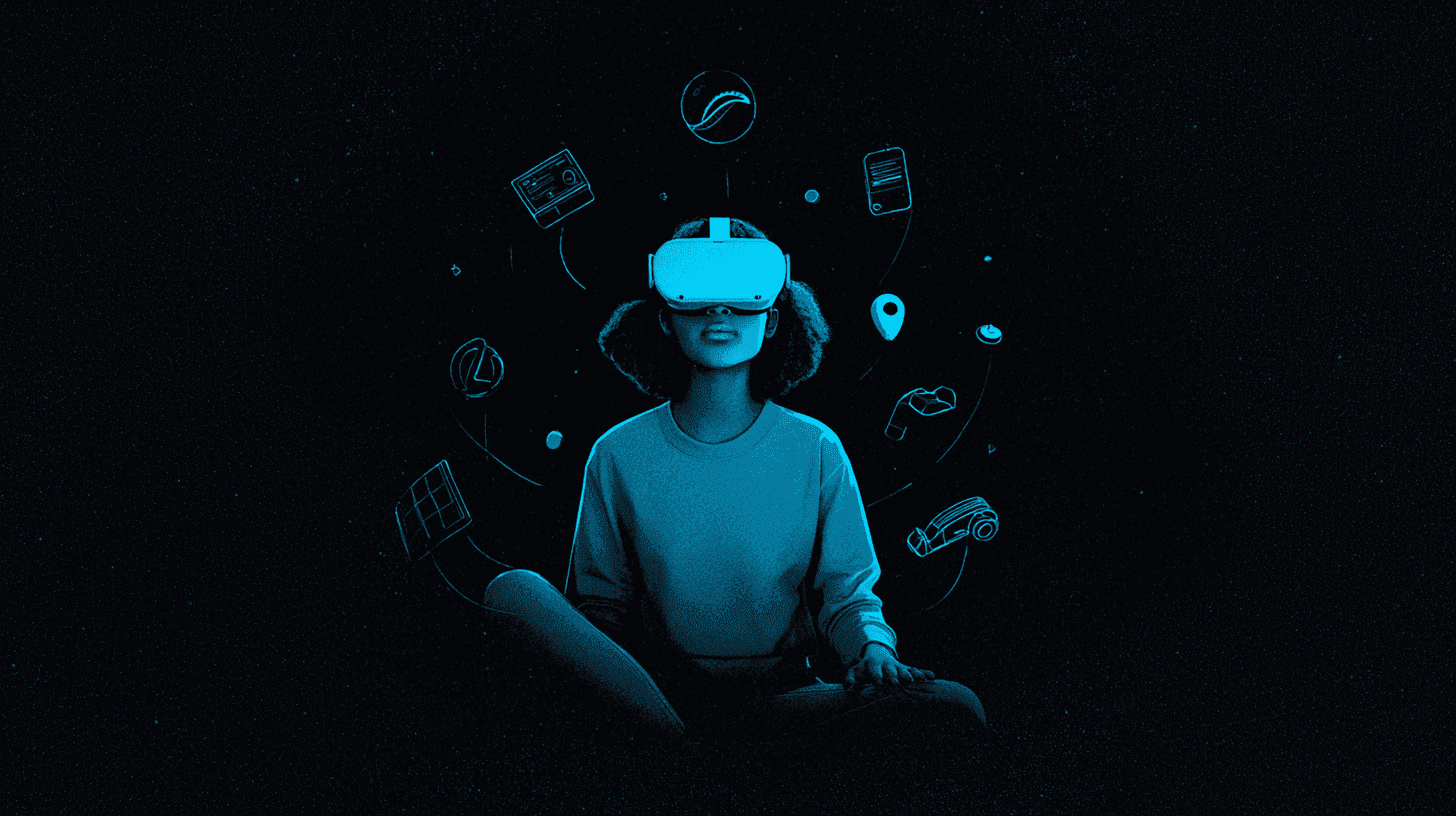
Hello to everyone curious about the world of XR! 👋
When we think of ethics, we tend to picture dusty reports or committees of experts in suits. And yet our best lessons in ethics may well come from our own sofas, in front of Netflix or a comic book. Long before the regulators, popular culture warns us about where extended reality could go wrong.
I realised this while writing the chapter on ethics for my course "Discovering XR"
Today I am sharing how I see it:
Why culture has become our first ethical guide
As XR designers, we shape the experiences of tomorrow. But how do we anticipate what our creations will lead to? The answer may lie in the stories around us. From Black Mirror to Ready Player One, fiction has spent decades exploring the grey areas of our emerging technologies.
These works are not simply entertainment: they are our first laboratories of ethics. They ask the right questions before we come up against the real situations.

Collider.com
1. Autonomy and informed consent
The principle: respecting people's capacity to make free and informed choices.
In fiction: The Matrix shows us the ultimate nightmare — human beings deprived of any capacity to choose, locked inside a simulated reality without their consent. More subtly, Amazon Prime's Upload explores how those close to us can make decisions about our "digital life" once we no longer can.
For us, as designers: how do we make sure our users really understand what they are signing up for? XR interfaces can be so immersive that they blur the line between a conscious choice and manipulation.
Premiere.fr
2. Protecting identity and dignity
The principle: preserving authenticity and respect for the person.
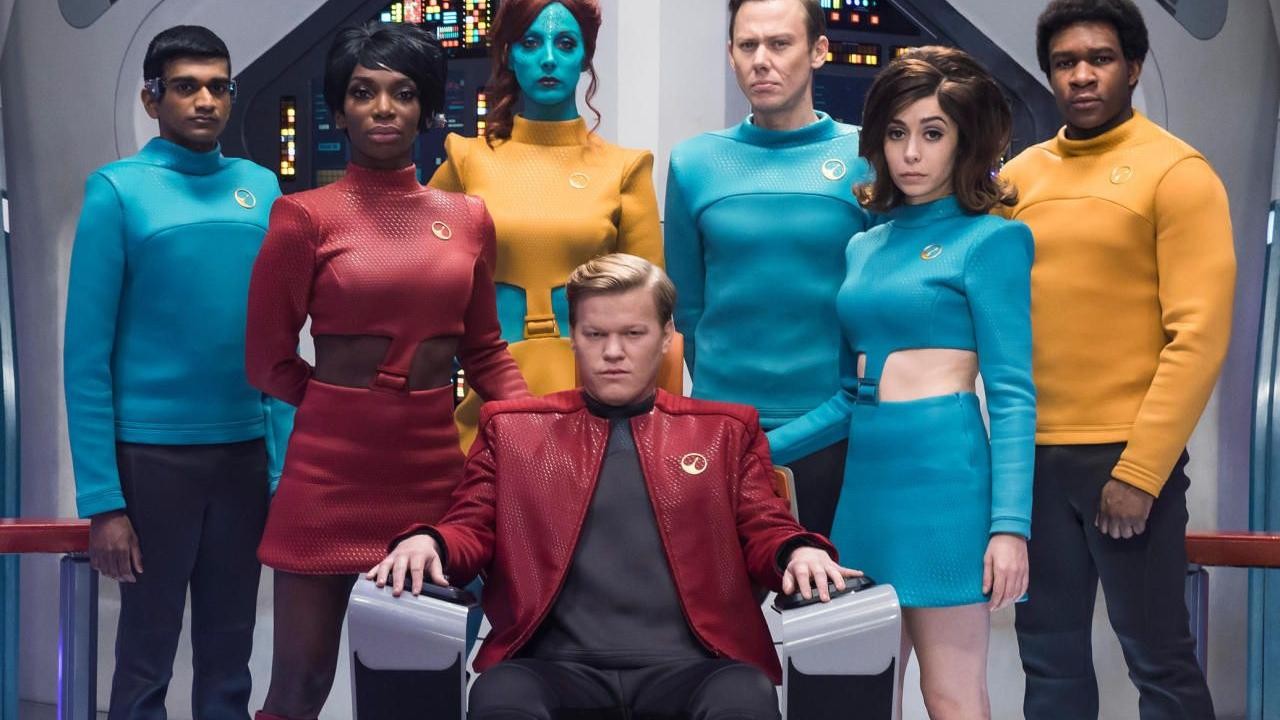
In fiction: the "USS Callister" episode of Black Mirror is a masterpiece of horror: digital copies of real people are tortured inside a video game. Westworld goes further and asks: at what point does an AI become a person deserving respect?
For us, as designers: when we create hyper-realistic avatars or digital doubles, where do we draw the line? How do we protect the image and the identity of our users?
Booknode.com
3. Fairness and inclusion
The principle: guaranteeing equal access and fair representation for everyone.
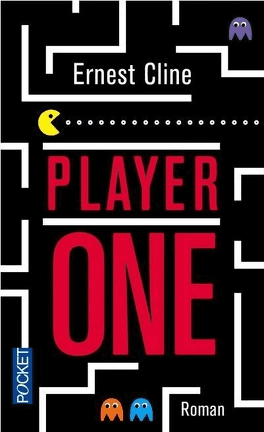
In fiction: Ready Player One depicts a future where the OASIS becomes the only escape from a dystopian reality. But that "democratisation" hides a new form of exclusion: those without access to the technology are literally cut off from society.
For us, as designers: how do we keep XR from widening inequality? How do we design experiences that work for people with disabilities, for older people, for those less at ease with technology?

Rayonvertcinema.org
4. Transparency and responsibility
The principle: being clear about how our systems work, and owning their consequences.
In fiction: in Cronenberg's eXistenZ, the characters (and the viewer) lose the thread entirely between reality and simulation. That confusion is not accidental — the creators of the game intended it.
For us, as designers: should we always signal clearly when someone enters or leaves an XR experience? How do we document the algorithms that shape it?

mubi.com
5. Preventing harm
The principle: keeping physical, psychological and social risks to a minimum.
In fiction: Strange Days explores addiction to "clips" — recordings of real experiences. The "San Junipero" episode of Black Mirror shows the bright side (digital immortality) but raises questions about how authentic those experiences are.
For us, as designers: how do we guard against addiction to our own experiences? What safeguards do we build in to protect mental health? How do we handle traumatic content in VR?

babelio.com
6. Respecting privacy
The principle: protecting personal data and people's private lives.
In fiction: surveillance taken to its extreme — even our memories can be extracted and analysed. In Minority Report, augmented reality allows hyper-personalised advertising that is also utterly invasive.
For us, as designers: XR headsets collect extremely sensitive biometric data (eye movement, heart rate, emotional reactions). How do we protect it? Who really owns our gestures in a virtual world?
Beyond principles: building an ethical culture

ghostintheshell.fandom.com
The importance of ethical storytelling
Every XR product tells a story. Ghost in the Shell teaches us that technology is never neutral: it carries a view of the world, a set of values, a set of biases. As designers, we are authors, and our interfaces are our stories.

pathehome.com
Ethics as a design tool
Take Free Guy: the film turns an NPC into a hero, and questions our relationship with AI. For us, it is a reminder — how do we design interactions with AI agents in our experiences? Do we treat them as tools, or as entities deserving some form of respect?

wikipedia.com
Collective responsibility
Transmetropolitan, by Warren Ellis, depicts a future where technology amplifies social inequality. The book reminds us that tech ethics is not only an individual matter but a collective one. As a community of XR designers, we share that responsibility.
A few tools for thinking ethically:
1. The "Black Mirror test"
Before shipping a feature, ask yourself: "What would the Black Mirror episode inspired by this look like?" If the answer makes you wince, the design probably needs another look.
2. The cultural audit
Build a cultural watch on how XR is represented into your design process. Organise film-and-discussion sessions with your team around these works.
3. Ethical personas
Create specific personas for testing the ethics of your designs: the vulnerable user, the older person, the child, the person with a disability…
4. Design friction
Take a cue from Neuromancer: sometimes you need deliberate friction to head off addiction or manipulation. A clearly visible "Pause" button, regular reminders of time spent…
XR ethics: a question of training
For you, future XR designers, popular culture offers an inexhaustible place to learn. It lets you:
- Develop your empathy: understand the emotional impact of what you create
- Anticipate what could go wrong: spot the warning signs before they become problems
- Feed your ethical creativity: find inventive answers to moral dilemmas
- Communicate well: use shared references to raise awareness within your teams
In closing: fiction as an ethical compass
The ethics of XR cannot rest on regulation alone. It needs imagination, stories, emotion. Popular culture gives us a laboratory where ideas can be tested without real consequences.
As XR designers, we have a rare opportunity to create the experiences of tomorrow. Let's use the wisdom of our fictions to build not the dystopian metaverse of Ready Player One, but the more human and more equitable one we would deserve.
Because in the end, the best technology is not the one that makes us forget our humanity, but the one that helps us reveal it.
And you — which work has shaped your thinking about tech ethics the most? Share your references in the comments; let's build our ethical library for XR together!